

8 Conditions an Orthopedic Clinic Can Help You Manage
Musculoskeletal issues can affect nearly every aspect of daily life, from how you move and work to how well you sleep and stay active. Whether caused by injury, aging, or underlying health conditions, pain and limited mobility can make even simple tasks feel challenging. These problems often start gradually, making it easy to ignore early warning signs until they begin to interfere with your routine.
That's where specialized care becomes essential. An orthopedic clinic focuses on diagnosing and treating conditions that impact the bones, joints, muscles, ligaments, and tendons. With access to advanced imaging, personalized therapy plans, and surgical solutions when needed, patients receive comprehensive care designed to support both short-term relief and long-term mobility.
Understanding the types of conditions that can be treated can help you determine when it's time to seek professional care. In this article, we'll explore several common issues an orthopedic clinic can help you manage and what to expect from treatment.
1. Managing Chronic Joint Pain and Arthritis
Chronic joint pain is one of the most common reasons people seek care at an orthopedic clinic. Arthritis, in particular, affects millions of Americans and can impact joints such as the knees, hips, shoulders, and hands. Symptoms often include stiffness, swelling, tenderness, and reduced range of motion, all of which can worsen over time if left untreated.
Orthopedic providers begin by evaluating the severity of the condition using physical exams, imaging tests, and patient history. From there, they develop a treatment plan that may include anti-inflammatory medications, joint injections, physical therapy, and lifestyle changes. In more advanced cases, surgical options such as joint replacement may be considered. According to Statista, in 2022, patients in the United States waited an average of 16.9 days to see an orthopedic surgeon.
Managing arthritis is not just about reducing pain. It also involves improving joint function and maintaining independence. With consistent care, many patients find they can stay active and continue doing the things they enjoy.
2. Treating Sports-Related Injuries Effectively
Sports injuries can happen to anyone, from professional athletes to individuals who stay active on weekends. Common issues include sprains, strains, ligament tears, and overuse injuries that develop over time. These injuries can affect performance and, if not treated properly, may lead to long-term complications.
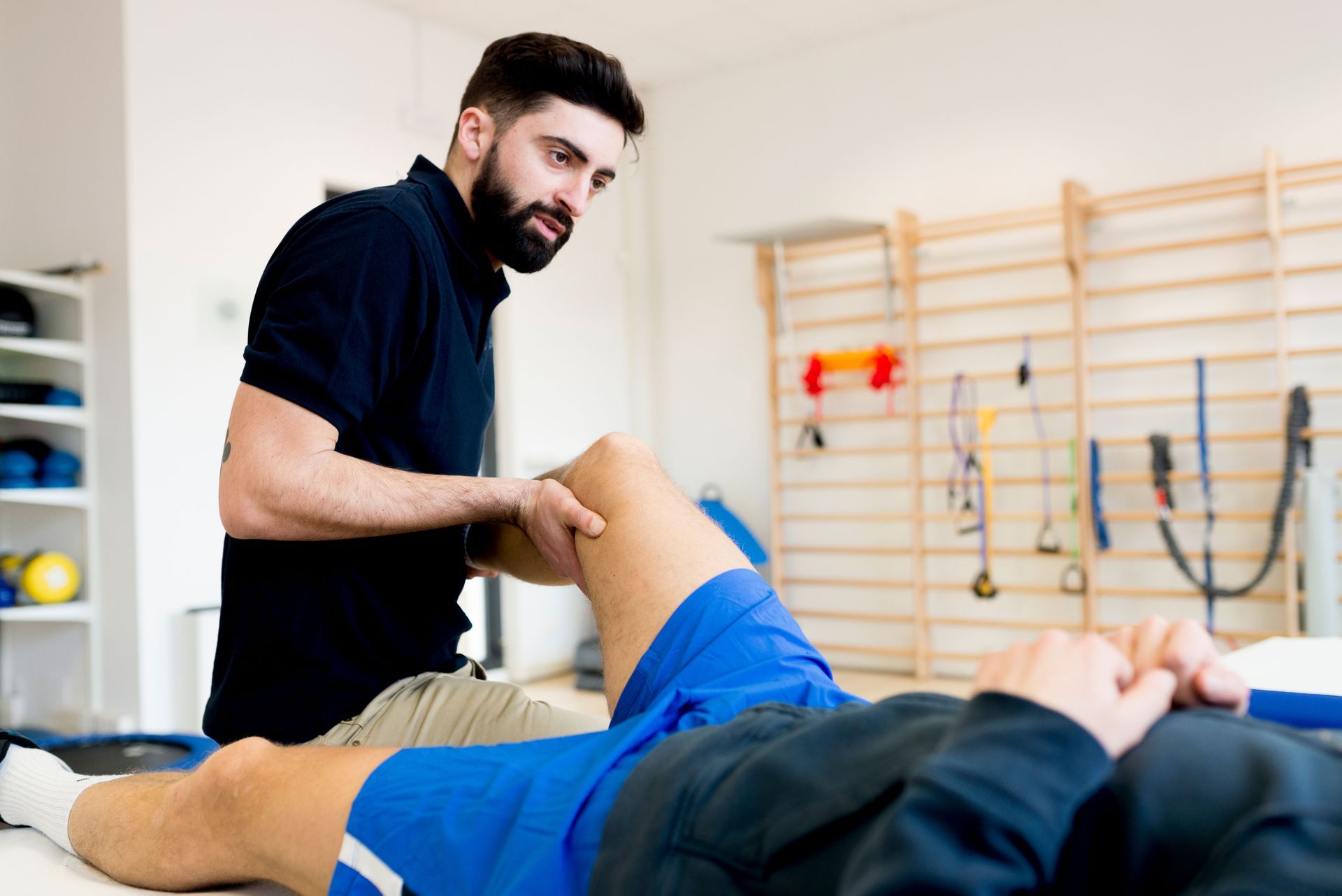
An orthopedic clinic provides targeted care for these types of injuries, focusing on both recovery and prevention. Treatment often starts with reducing inflammation and pain, followed by rehabilitation exercises designed to rebuild strength and flexibility. In some cases, bracing or minimally invasive procedures may be recommended.
Recovery timelines vary depending on the injury, but early intervention is key. Seeking treatment as soon as symptoms appear can help shorten recovery time and reduce the risk of reinjury.
3. Addressing Back and Spine Conditions
Back and spine conditions are among the leading causes of discomfort for adults. These issues can result from poor posture, repetitive strain, injuries, or degenerative conditions such as herniated discs or spinal stenosis. Pain may be localized or radiate to other areas, including the legs or arms.
An orthopedic clinic conducts a thorough assessment to identify the underlying cause of back pain. This often includes imaging studies and a review of the patient's daily activities. Treatment typically begins with non-surgical approaches such as physical therapy, stretching routines, and pain management techniques.
For patients with more severe conditions, surgical options may be explored. These procedures aim to relieve pressure on nerves or stabilize the spine. With the right care plan, many individuals experience improved mobility and a reduction in discomfort.
4. Helping Patients Recover From Fractures and Broken Bones
Fractures and broken bones can occur due to falls, accidents, or repetitive stress. Prompt and proper treatment is essential for healing and preventing complications. An orthopedic clinic specializes in diagnosing fractures and determining the best course of action based on the type and severity of the injury.
Treatment may involve immobilization with a cast or brace, or surgical intervention in cases where bones need to be realigned. Follow-up appointments are critical to monitor healing and make adjustments as needed.
Rehabilitation is often part of the recovery process, helping patients regain strength and mobility. With proper care, most fractures heal successfully, allowing individuals to return to their normal activities.
5. Managing Tendon and Ligament Injuries
Tendons and ligaments are essential for joint stability and movement, but they are also vulnerable to injury. Conditions such as tendonitis, ligament sprains, and tears can significantly impact mobility and cause ongoing discomfort.
An orthopedic clinic evaluates these injuries through physical exams and imaging to determine their severity. Treatment plans often include rest, physical therapy, and anti-inflammatory measures. In more serious cases, surgical repair may be necessary.
Rehabilitation plays a vital role in recovery, helping restore strength and flexibility while reducing the likelihood of future injuries. With a structured plan, many patients are able to return to their regular activities with improved function.
6. Treating Shoulder and Rotator Cuff Problems
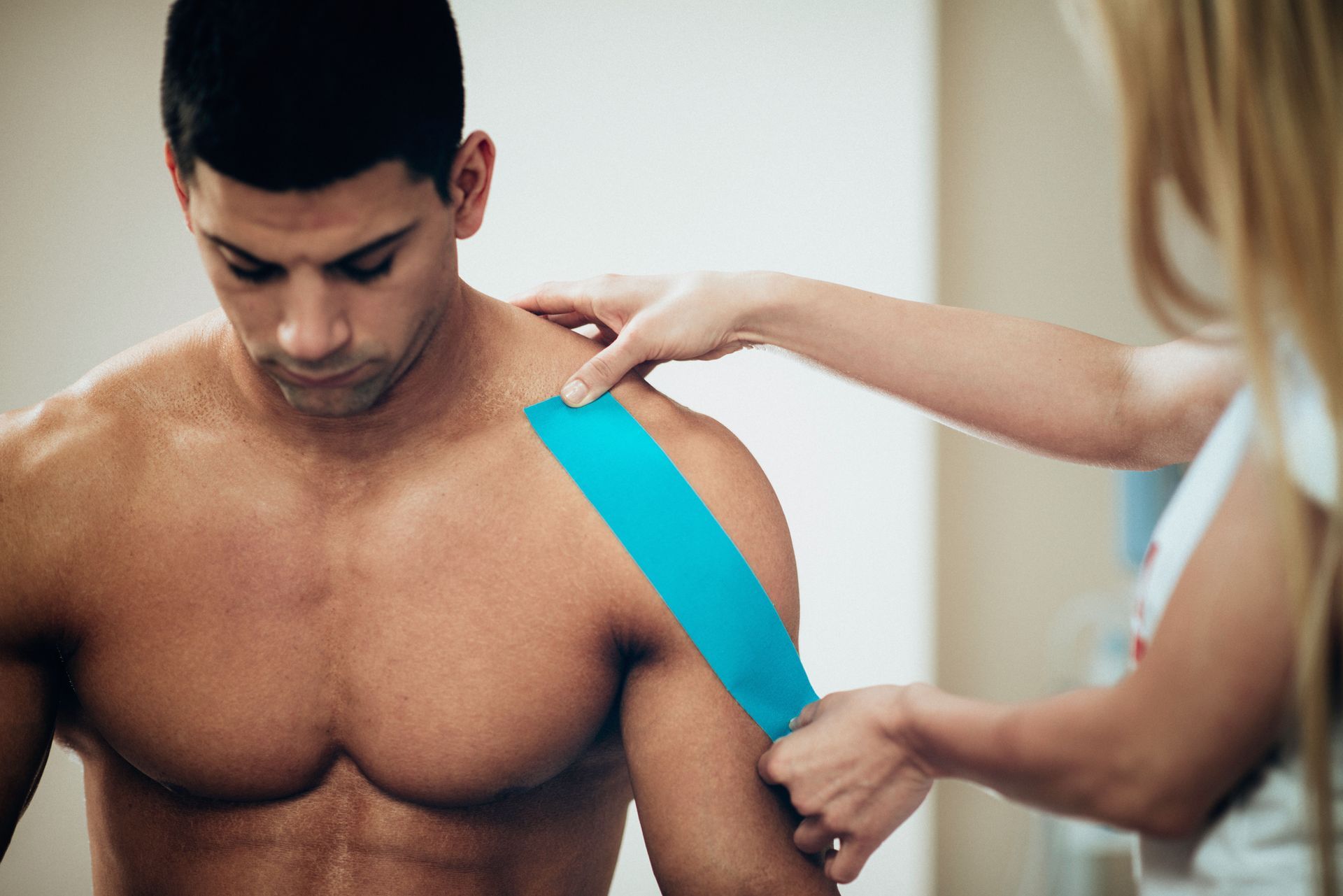
Shoulder conditions are another common reason people visit an orthopedic clinic. The shoulder is a highly mobile joint, making it more susceptible to injuries such as rotator cuff tears, impingement, and frozen shoulder. These issues can make everyday tasks, such as lifting or reaching, difficult and painful.
Diagnosis typically involves a combination of physical evaluation and imaging tests. Treatment options may include physical therapy, medications, and, in some cases, surgical intervention to repair damaged tissues.
Early treatment can make a significant difference in outcomes. Addressing shoulder problems promptly helps prevent further damage and supports a smoother recovery process.
7. Supporting Recovery From Hip and Knee Conditions
The hips and knees play a crucial role in movement and weight-bearing activities. Over time, these joints can experience wear and tear, leading to conditions such as cartilage damage, ligament injuries, and joint instability.
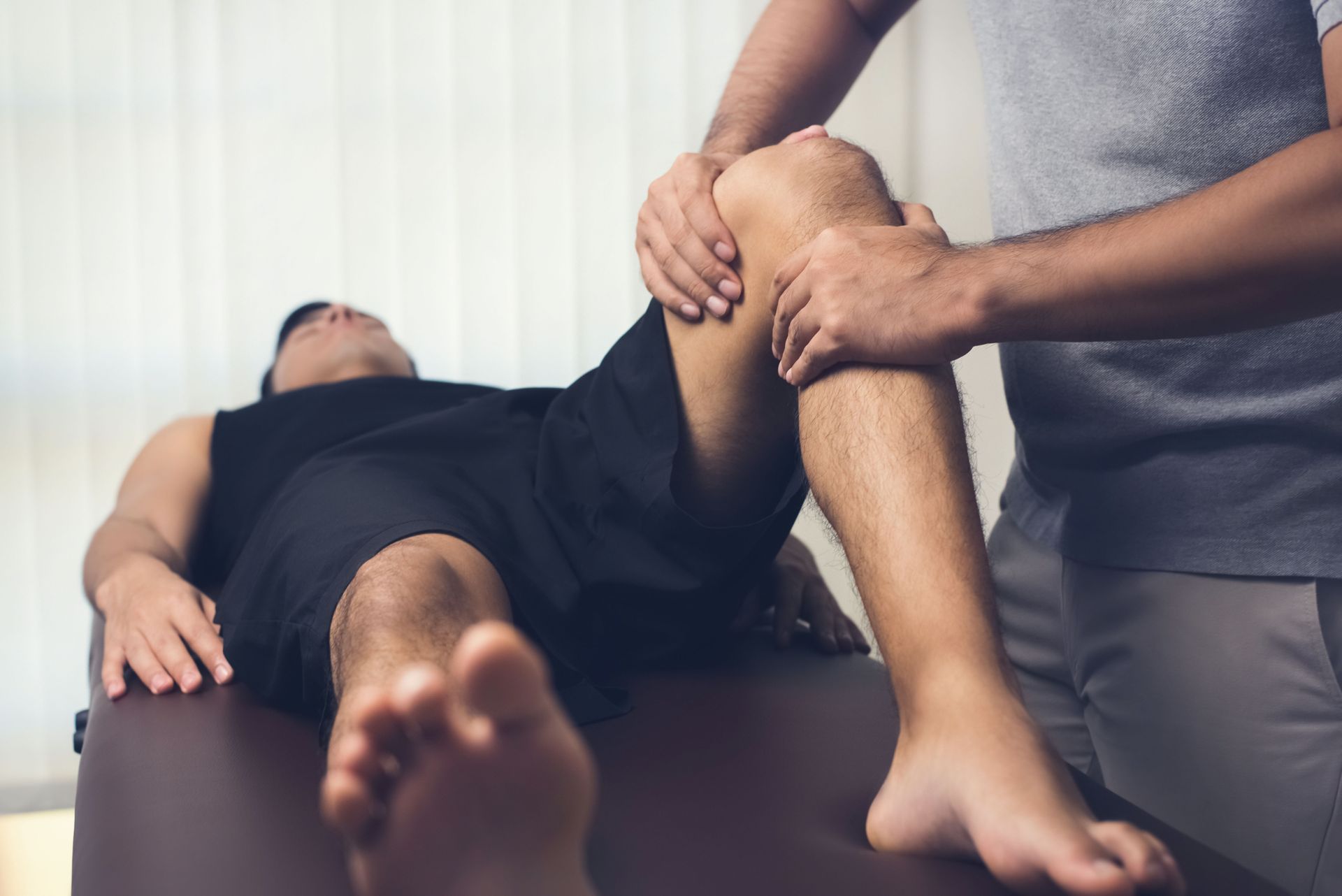
An orthopedic clinic offers a range of solutions for hip and knee issues, from conservative treatments like physical therapy and injections to surgical procedures when necessary. Joint replacement may be considered for patients with severe damage that affects their quality of life.
Rehabilitation is an important part of recovery, helping patients regain strength, balance, and confidence in their movement. With the right care, many individuals experience significant improvements in both comfort and mobility.
8. Addressing Repetitive Strain and Overuse Injuries
Repetitive strain injuries develop over time due to repeated motions or prolonged stress on certain parts of the body. These conditions are common among individuals who perform the same tasks regularly, whether at work or during recreational activities.
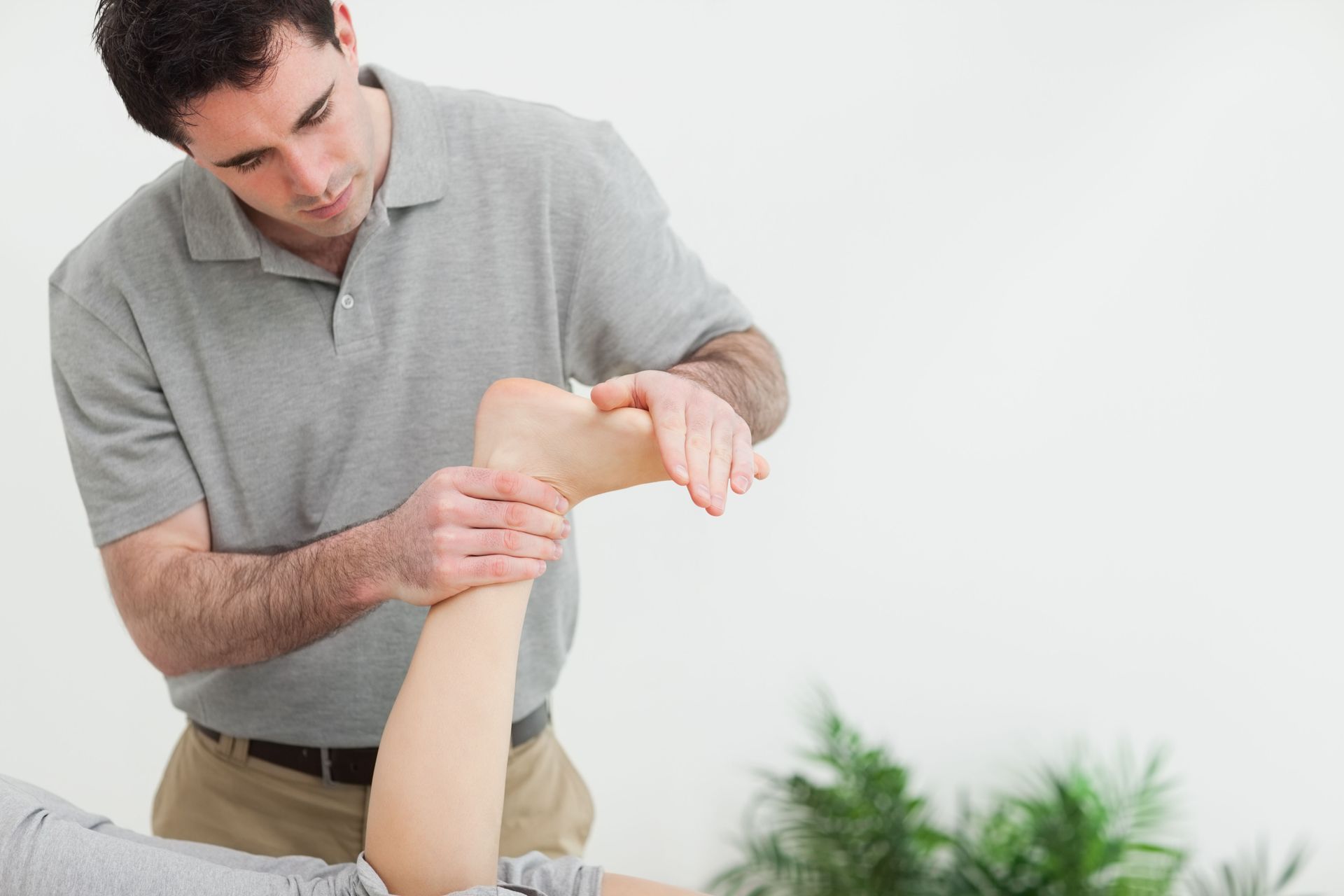
Examples include carpal tunnel syndrome, tennis elbow, and stress fractures. Symptoms often begin gradually and may worsen if not addressed early. An orthopedic clinic can identify the source of the problem and recommend targeted treatment.
This may include activity modification, ergonomic adjustments, and physical therapy to reduce strain and promote healing. By addressing these issues early, patients can avoid more serious complications and maintain their ability to perform daily tasks comfortably.
Musculoskeletal conditions can have a lasting impact on your daily life, but the right care can help you manage symptoms and regain mobility. From joint pain and sports injuries to fractures and repetitive strain issues, an orthopedic clinic provides the expertise and resources needed to support recovery at every stage.
By recognizing the signs of these conditions and seeking timely treatment, you can take control of your health and prevent further complications. If you're experiencing pain, stiffness, or limited movement, now is the time to take action. Contact Berks County Orthopedics today to discuss your symptoms and begin a personalized treatment plan that helps you move forward with confidence.
Share On: